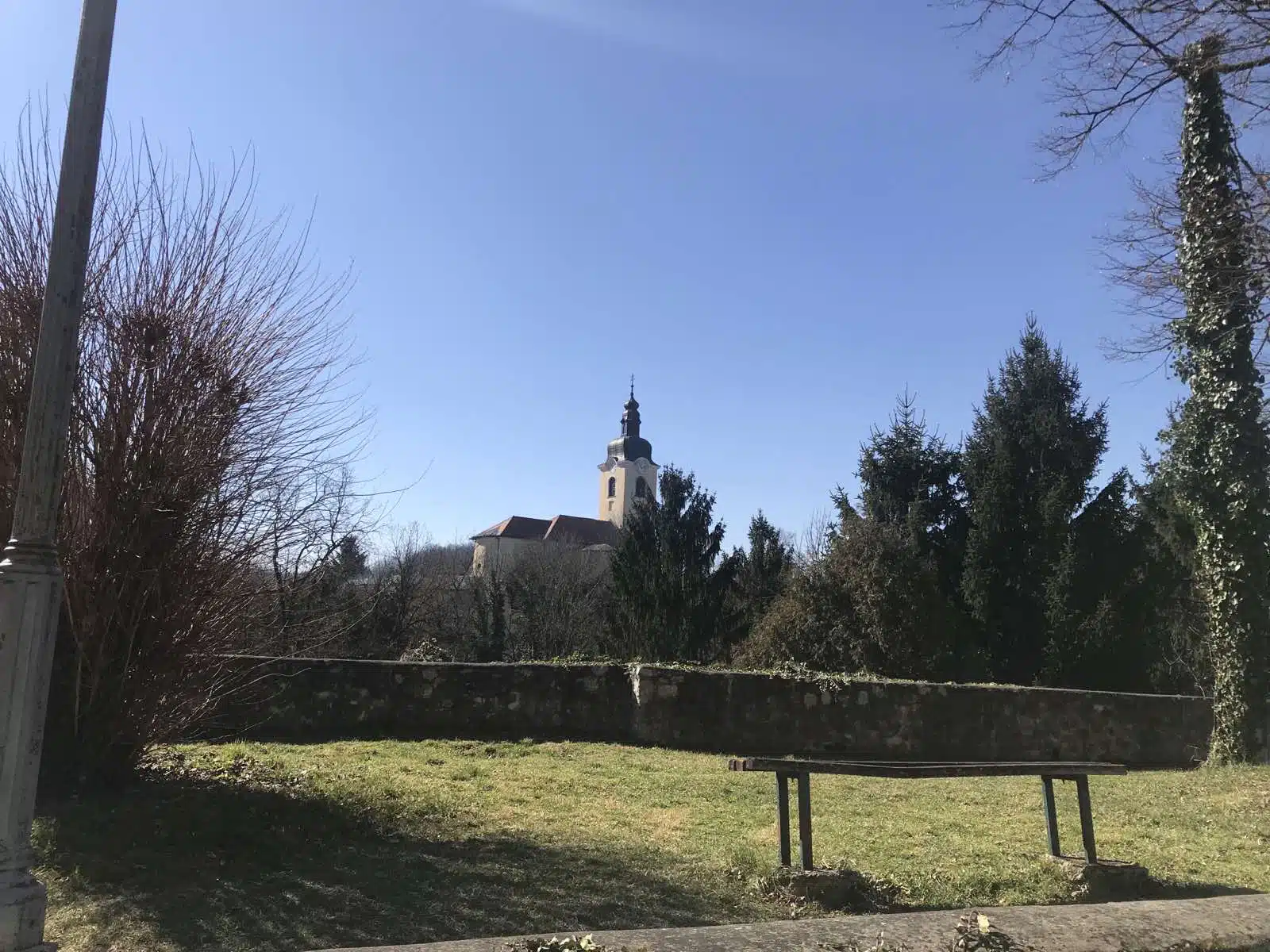
Grad Ozalj, koji već više od osam stoljeća ponosno stoji visoko uzdignut na klisuri iznad rijeke Kupe, prekrasna je top destinacija za sve ljubitelje izleta u prirodu i za sve one koji žele oćutjeti barem djelić bogate hrvatske povijesti ozaljskog kraja i istovremeno uživati u zelenilu prirode i plavetnilu rijeke.
Povijesne i prirodne ljepote grada Ozlja nikoga ne mogu ostaviti ravnodušnim, a sve to prate odlični sadržaji za izletnike, ljubitelje povijesti i rekreativce koji ovdje nakratko mogu pobjeći iz grada.
Ozalj – grad bez semafora
Ako se uputite u Ozalj vrlo vjerojatno ćete primijetiti da u ovom gradu uopće nema semafora i da život teče bez pretjeranog stresa, za što su zaslužni domaćini koji pokušavaju održati svoj životni ritam u skladu s prirodom. Ozalj je jedan od rijetkih gradova u kojemu ćete čuti ptičji pjev koji prekriva buku prometa, jer je šuma oko grada još uvijek netaknuta.
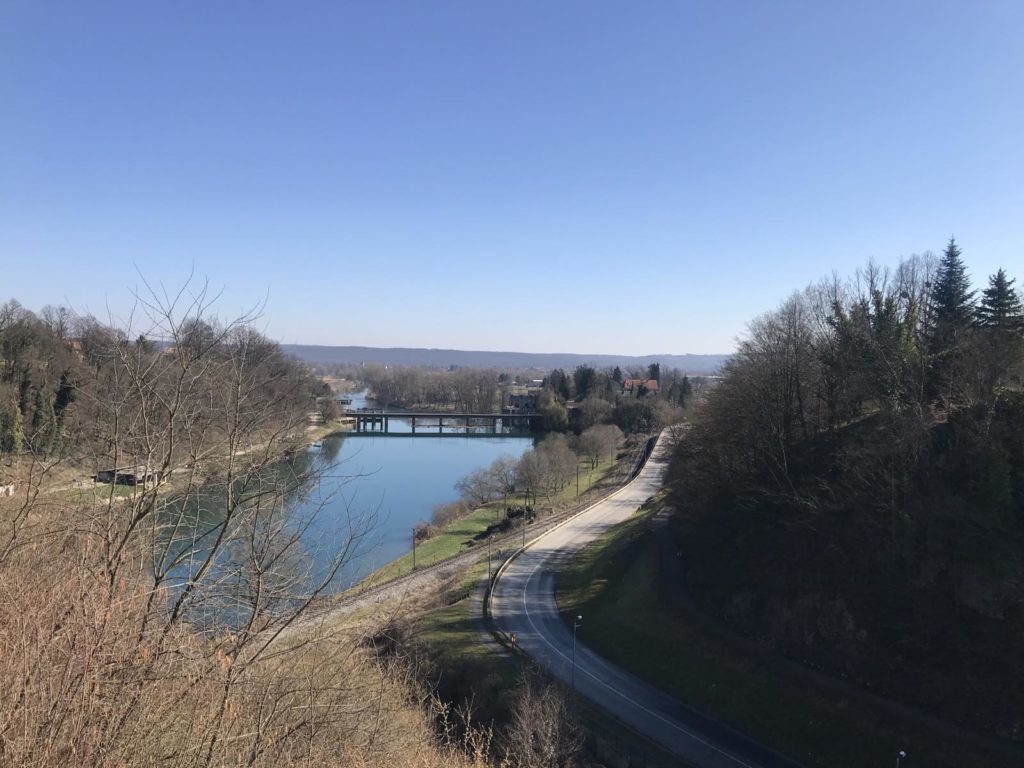
Žila kucavica grada svakako je rijeka Kupa, uz koju rastu drvoredi šume cijelom dužinom kroz grad i koja je uistinu prekrasan prizor u svako doba godine. Rijeka ljeti postaje kupalište grada pa ako želite pobjeći iz vrućine grada i osvježiti se u modrozelenoj vodi, Ozalj je odlično mjesto za to.
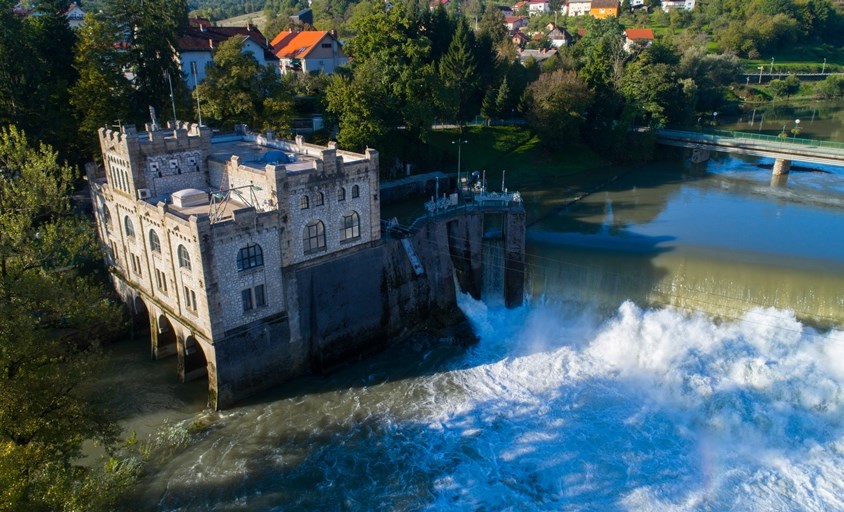
Kad se nađete na mostu dovoljno je okrenuti se oko sebe da shvatite zbog čega se ovaj šarmantni gradić nalazi visoko na top listi izletnika iz svih krajeva Hrvatske. S jedne strane vidjet ćete Stari Grad Ozalj koji ponosno stoji na litici iznad rijeke, te krasnu crkvu Sv.Vida u blizini, dok ćete s druge strane vidjeti jednu od najposebnijih hidroelektrana na svijetu, Munjaru, hidroelektranu za koju će svako dijete prvo potvrditi da je dvorac.
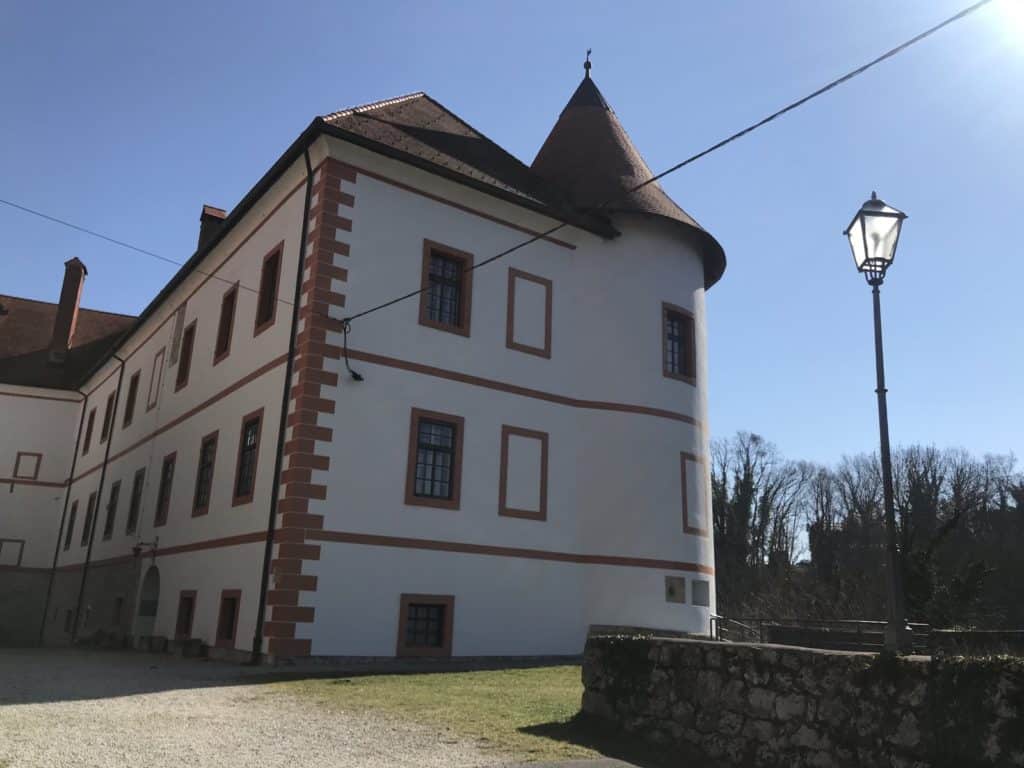
Stari grad, koji je za vrijeme Zrinskih i Frankopana bio uređen u gotičkom stilu, danas nosi barokno ruho zadobiveno preinakama stranih velikaša koji su vladali gradom dug period vremena. U utvrdi grada danas se nalazi Zavičajni muzej u kojem se možete upoznati s povijesti grada, a velik dio muzeja posvećen je ozaljskoj gluhonijemoj umjetnici Slavi Raškaj, čiji se grob nalazi u dvorištu crkve sv. Vida. Ova je posebna umjetnica obožavala slikati svoje rodno mjesto, osobito Kupu, pa je ona čest motiv na njenim minijaturama. Iako je umrla prije svoje tridesete godine, Slava Raškaj ostavila je dubok trag u ozaljskoj povijesti.
U muzeju možete vidjeti mnoštvo zanimljivih predmeta, od prvih igračka za djecu do vrčeva koji su zapravo grobovi. Također ćete vidjeti razno hladno i vatreno oružje te vrijedne crkvene artefakte. Zavičajni muzej će vas ugodno iznenaditi svojim postavom i blagom koje se nalazi u njemu.
Nakon što prijeđete drveni most (koji je do početka 19. stoljeća bio pokretan, ali više nije) ući ćete u kompleks koji se sastoji od nekoliko zasebnih cjelina. Tu je ulazna kula koju je u 16. stoljeću sagradio Juraj Zrinski, mala kula koja stoji lijevo od nje, Babonić kula koja je najstariji dio ovog zdanja, te tri krila dvorca koji se prostiru na dva kata. Iznad ulaza se nalazi grb sa zmajem, a na stupu koji drži most nalaze se posebni otvori za streličare koji su na ovaj skriveni način branili dvorac.
Ne smijemo zaboraviti ni važan Palas Zrinskih, dom obitelji Zrinski i Frankopana u kojemu su njihovi članovi obitavali stoljećima. Za vrijeme kad je Ozalj bio u rukama stranih vlastelina Palas je pretvoren u skladište žita pa se danas naziva Žitnica.
Župna crkva sv. Vida izgrađena je davne 1349. godine i smještena je u blizini grada. U njoj se nalazi oltar posvećen Lurdskoj Gospi, koja je ujedno i zaštitnica radnika u hidroelektrani smještenoj na suprotnoj strani. Ova je crkva također spomenik kulturne baštine i mjesto vrijedno posjeta.
Hidroelektrana Munjara još je jedna posebna destinacija za vidjeti kad se nađete u Ozlju. Ova je elektrana zaštićeni spomenik kulture, a djelo je vrlo poznatih hrvatskih imena: graditelja Valerijana Riezsnera i arhitekta Hermana Bollea. Munjara ne izgleda kao ostale elektrane – ova elektrana izgleda kao dvorac na rijeci! Izgrađena je za osvjetljavanje grada Karlovca, a danas proizvodi zelenu električnu energiju.
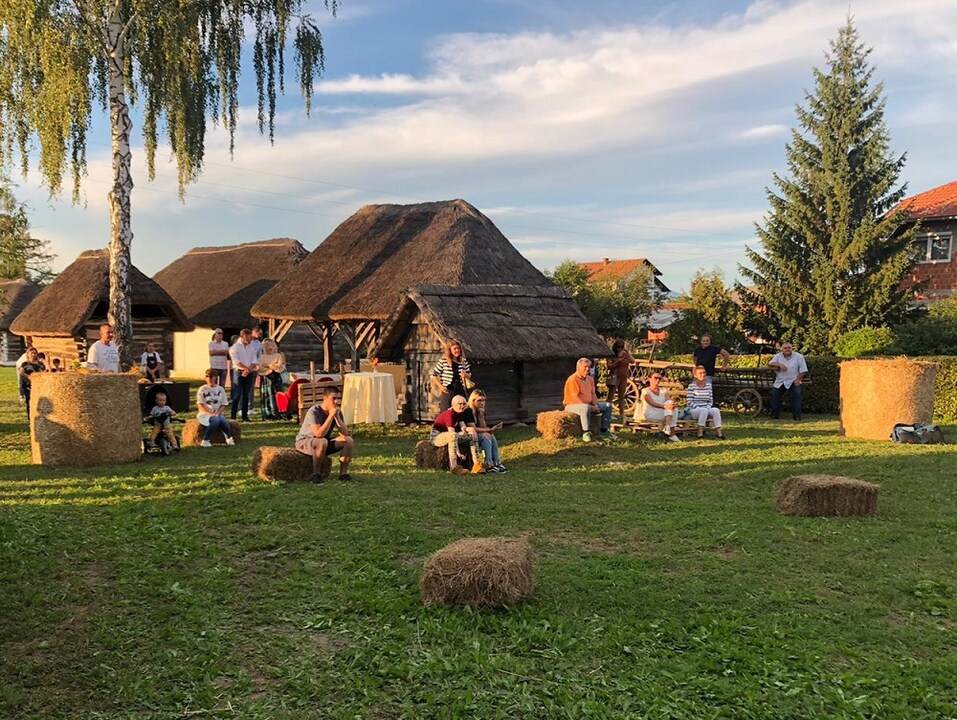
Etno park Ozalj još je jedno mjesto koje možete posjetiti navratite li u ovaj lijepi grad. Nalazi se na samo jedan kilometar udaljenosti od središta Ozlja. Ovo je poseban muzej na otvorenom kojeg čine razni objekti i kućice izrađene po tradicijskoj arhitekturi, a u kojima se nalazi autentični inventar star stotinama godina. Krovovi kućica prekriveni su „škopom“, posebnom vrstom krova napravljenog od raži, a same kućice su vrlo rijedak primjerak tradicijske gradnje ovog kraja.
Nedaleko od Ozlja, u mjestu Kamanje, uz rijeku se Kupu smjestila špilja Vrlovka koja je 1962. godine proglašena zaštićenim geomorfološkim spomenikom prirode. Špilja obiluje sigama koje stvaraju poseban ugođaj, a u njoj su pronađeni i nalazi iz vremena neolitika pa sve do srednjeg vijeka. Upravo je ova špilja često lokalnom stanovništvu služila kao mjesto za skrivanje od neprijatelja pa se u njoj pronašlo mnogo predmeta kojeg su obitelji koje su se skrivale ostavile za sobom.
Ne smijemo preskočiti niti dvorac Dubovac – renesansni kaštel koji nosi ime po šumi koja ga okružuje. U dvorcu se nalazi vidikovac i stalni muzejski postav smješten u najvišoj kuli, a pogled s tog vidikovca doslovno oduzima dah.
Izlet u Ozalj lijepo je iskustvo za cijelu obitelj
Izlet u Ozalj odlična je ideja tijekom vrućih ljetnih mjeseci, a mjesto okupljanja većine izletnika je kupalište Slave Raškaj. Nećete nimalo pogriješiti ako ponesete dekicu za piknik jer je ovo mjesto idealno za roštilj i druženje, a mnogo mladih i djece uživa u igranju odbojke. Ozalj je upravo zbog toga jedinstveno mjesto za odlazak na izlet: ovo nije samo izletište za roštilj i piknik, već i mjesto u kojemu imate mnogo toga za vidjeti i još više toga za naučiti.
Etno park Ozalj posebno je zanimljivo mjesto za djecu jer se u njemu nalaze zanimljive figure do slame, a zanimljivo je vidjeti i male pitoreskne kućice sa slamnatim krovovima koji imaju minijaturne prozore (u vrijeme feudalizma plaćao se dodatni porez na prozore i dimnjake te sve dodatke na kući pa su kuće bile niske i s jako malim prozorima). Kućice su jako male pa je potrebno paziti prilikom ulaska– krovne grede su smještene vrlo nisko.
U Ozlju, u mjestu Slapno, nalazi se i škola jahanja pa možete uživati i u ovoj vrsti sporta i rekreacije u prirodi. Možete uživati u jahanju ozaljskim terenima, a u ponudi je i terapijsko jahanje. Jahanje ozaljskom prirodom jedno je od najljepših iskustava koje si možete priuštiti.
Za vjernika i hodočasnike posebno je lijepo iskustvo obilazak pavlinskog samostana u Sveticama. Ovaj je prelijepi samostan i crkva koja datira iz 17. stoljeća smješten na Gori blagoslova i mjesto je u kojem možete pronaći duhovni mir i iskreno uživati u molitvi i zahvali. Pavlinski red gotovo je u jednom trenu povijesti bio gotovo iskorijenjen, ali u Ozlju su oduvijek imali svoj dom.
Ako volite uživati u ukusnoj hrani i dobroj kapljici svakako se trebate uputiti na izlet kroz Ozaljsko-Vivodinsku vinsku cestu na kojoj cijelim putem možete kušati autohtonu domaću hranu, kušati vrhunska vina te uživati u zvukovima tamburice. Svježe namirnice pripremljene na tradicionalni način bit će nešto čega ćete se kasnije često prisjećati.
Ako nemate auto, ne brinite, postoji odlično rješenje za vas, a zove se Rumobil. Ovo je projekt HŽ-a koji je aktivan već nekoliko godina, a riječ je o izletničkom vlaku koji vas dovodi do Ozlja (presjedanje je u Karlovcu). Rumobil je za djecu besplatan što je odlična pogodnost, a u Ozalj stižete jako brzo te vam je osiguran povratak u kasnim popodnevnim satima. Za sve one koji nemaju automobil ili se napokon žele odmoriti od vožnje, vlak do je najljepši način za putovanje do ovog nebrušenog pokupskog bisera.
Upoznajmo povijest grada zajedno
Grad Ozalj udaljen je od Karlovca samo dvadesetak kilometara, ali dolaskom do ozaljskog područja čovjek osjeti kao da je prešao u neku drugu povijesnu dimenziju. Za to je ponajviše zaslužan sam smještaj grada, na 170 metara visine iznad lijeve obale Kupe, okružen čvrstim zidinama i kulama i pokretnim mostom. Ovaj srednjovjekovni grad je tijekom godina prošao mnoge preinake i pregradnje pa neki dijelovi starijeg kompleksa nisu ostali sačuvani.
No počnimo ispočetka. Ozaljsko područje naseljeno je već od razdoblja mlađeg kamenog doba. U njegovoj je okolici pronađeno mnogo predmeta iz toga doba od kojih se većina čuva u Arheološkom muzeju i Zavičajnom ozaljskom muzeju.
Vjeruje se da se s gradnjom ozaljske utvrde započelo još u 6. stoljeću. Ovaj grad postaje značajan početkom 13. stoljeća, kada biva spomenut u ispravi kralja Bele IV, koji mu je dodijelio status slobodnog kraljevskog grada. Godinama kasnije utvrda je prešla u ruke obitelji Frankopan, a nakon njih je grad preuzela obitelj Zrinski.
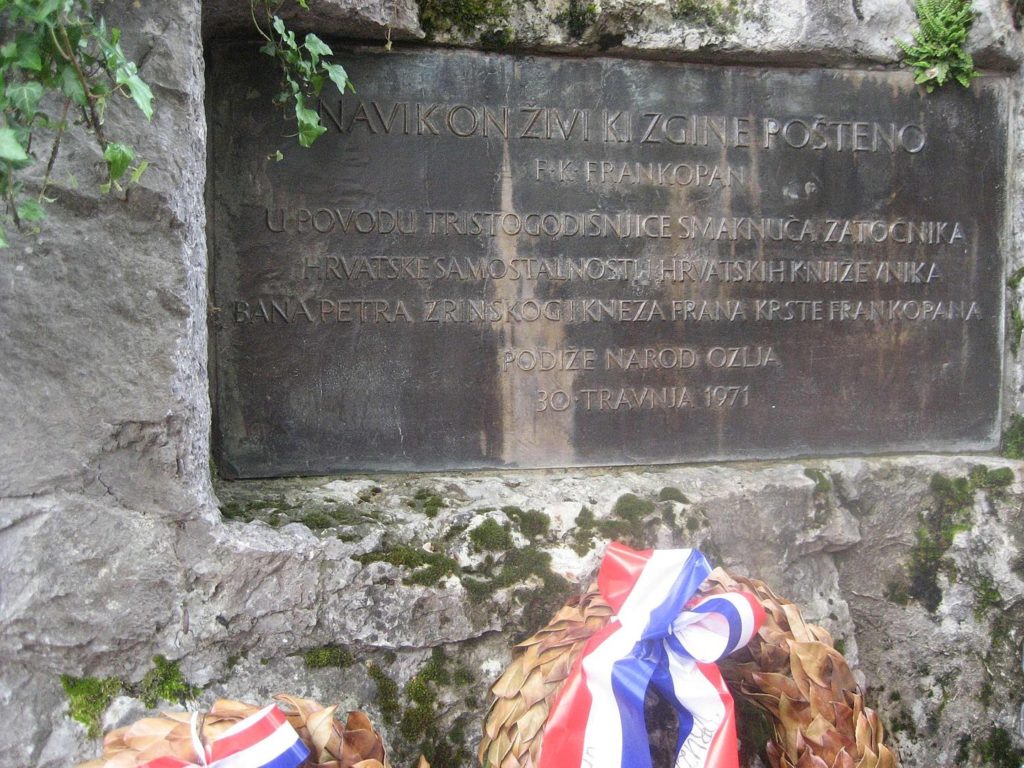
U 17. stoljeću, pod upravom obitelji Zrinski, Stari grad Ozalj postaje centar književnog kruga na čijem su čelu bili Petar i Katarina Zrinski, te Fran Krsto Frankopan. Osim toga, Ozalj je postao centar borbe protiv habsburške monarhije, a Zrinski i Frankopan su pogubljeni radi toga. Upravo je datum smaknuća Zrinski i Frankopana, 30. travnja, proglašen danom grada Ozlja.
Tada grad Ozalj prestaje biti u vlasti Hrvata, a u njemu se izmjenjuju razni strani velikaški vlasnici koji su kontinuirano radili preinake pa je dio vrijednih predmeta i dijelova dvorca zauvijek nestao. Nakon što je Stari grad prešao u ruke Družbe Braće Hrvatskog Zmaja postao je zaštićena kulturna baština tog kraja i posebno mjesto za upoznavanje hrvatske povijesti kontinentalnog kraja.
Ponovno ćemo spomenuti Palas Zrinskih, mjesto u kojem su dom imale obitelji Zrinski i Frankopan. Ova je pravokutna palača podignuta na stijeni koja se strmo diže nad Kupom, a sagradio ju je Nikola Šubić Zrinski, o čemu svjedoči natpis nad njenim ulazom „NICO. CO. ZR. 1556“, što je skraćenica za ime Nikola grof Zrinski 1556.
U njenom se prizemlju nalaze prostorije s vrijednim zidnim freskama, a među njima se ističu freske s vjerskim motivima i natpisi na glagoljici i latinskom jeziku što je bilo prilično neuobičajeno za to doba i govori o jedinstvenom kulturnom bogatstvu obitelji Zrinsko-Frankopan.
Ozalj – zanimljivosti grada koji čuva tradiciju i ponosi se njome
Građani Ozlja izuzetno su ponosni na svoju povijest i tradiciju, a to se može vidjeti iz brige i truda koji ulažu u njeno očuvanje. Postoji mnogo događaja u prošlosti koji su Ozalj učinili važnim dijelom hrvatske povijesti, a postoje i mnogi predmeti i običaji koji su prisutni samo u ovom kraju. U nastavku teksta spomenut ćemo neke osobitosti koje su specifične upravo za ovaj kraj.
Jalba
Žensko pokrivalo za glavu ili Jalba tradicionalna je kapica koju su nosile udane žene u ovom kraju, Izrađuje se posebnom tehnikom pletenja koje je zaštićeno kao nematerijalno kulturno dobro Republike Hrvatske. Zanimljivost: najpoznatija pletilja jalbe Regina Paljunac za vrijeme života nije smjela nositi jalbu iako ih je načinila na stotine, jer nije bila udana.
Legenda o podzemlju
Uz Stari grad Ozalj vezana je i zanimljiva legenda koja govori o mreži tajnih podzemnih prolaza koji se nalaze ispod njega, napravljenih kako bi se moglo pobjeći iz grada u slučaju velike opasnosti. Legenda kaže da su prolazi pod gradom bili toliko visoki i široki da je kroz njih mogao pobjeći i jahač na konju.
Art Apetit Event i Štrudlafest
Ozalj zasluženo nosi titulu grada umjetnosti pa se u njemu odvija i poznati Art Apetit Event. Riječ je o slikarskoj radionici za ljubitelje slikanja, a u njoj ćete naučiti mnogo toga o umjetnosti. Istovremeno možete uživati u trodnevnom Štrudlafestu kojeg lokalno stanovništvo obožava do te mjere da su 2015. godine napravili štrudlu dugačku gotovo 1500 metara i time se uvrstili u Guinnessovu knjigu rekorda.
Željeznička pruga
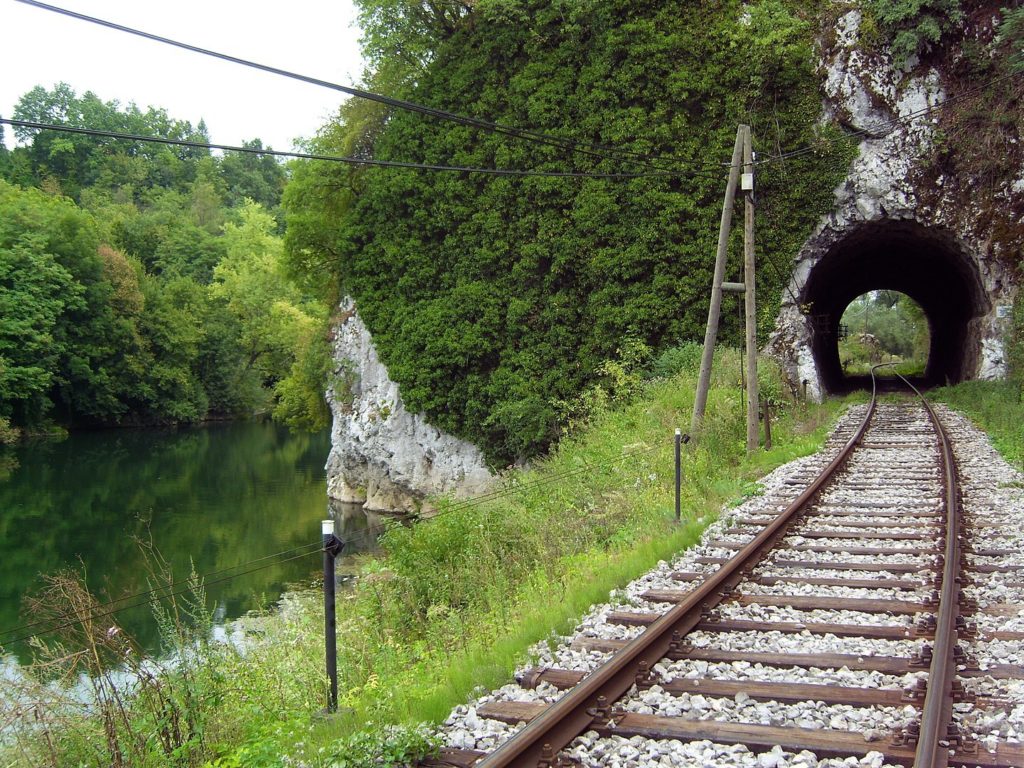
Vjerojatno niste znali da je željeznička pruga koja spaja Karlovac i Ozalj i koja je nastala početkom 20. stoljeća jedina željeznička pruga na svijetu koja prolazi tik ispod dvorca.
Postoji i jedna zanimljivost vezana uz željeznicu u gradu Ozlju, a vezana je uz predsjednika Jugoslavije, Josipa Broza Tita. Tijekom otkrivanja posebnog sefa Jugoslavenske državne željeznice koji se nalazi u Zavičajnom muzeju Ozlja u njemu je pronađena crvena knjiga koja je nosila oznaku „tajno“ i koja je otkrila da je postojao poseban vlak koji se nazivao „Plavim vlakom“ i koji je bio namijenjen za prijevoz predsjednika. Vožnja plavim vlakom bila je posebno uređena i imala je stroge sigurnosne protokole, ali oni nisu nikada pokrenuti jer predsjednik nikad nije stigao u Ozalj putujući vlakom.